
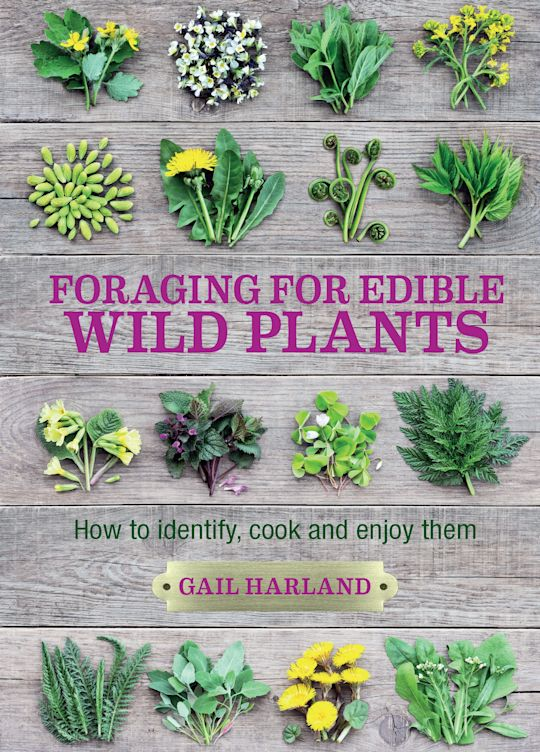
For most of human history, survival depended on knowing which plants could be safely eaten and when to find them. Long before grocery stores and supply chains, people relied on the land for food, medicine, and sustenance. While much of that knowledge has faded with modern living, a surprising number of edible wild plants still grow all around us.
Learning to identify and use edible wild plants is not just a hobby—it is a critical survival skill. Whether you are preparing for emergencies, living off-grid, or simply reconnecting with nature, wild foraging offers a dependable supplement to stored food supplies when done correctly.
Seasonal Reality of Wild Foods
One of the most important lessons about wild plants is that they are seasonal. Unlike a grocery store, nature does not provide every food every day. Plants emerge, mature, and disappear according to the time of year. This reality makes preservation just as important as identification.
Even highly skilled foragers cannot decide on a whim what wild plants will be available tomorrow. Successful use of wild foods requires awareness, planning, and respect for seasonal cycles.
Spring Pot Herbs: Nature’s First Harvest
Spring offers the richest variety of wild greens, often referred to as “pot herbs.” These plants are typically harvested young and cooked to improve flavor and safety.
Ramps (Wild Leeks)
Ramps are a prized Appalachian delicacy with a strong onion-garlic flavor. Both the bulbs and leaves are edible and commonly boiled, fried, or mixed with eggs. Their short season makes them highly sought after, and entire festivals are dedicated to them in some regions.

Pokeweed
Pokeweed is widely used as a spring green when harvested very young. Shoots must be parboiled before eating. Mature plants and roots are poisonous, making correct identification and timing essential.

Dandelion
Often dismissed as a weed, dandelion is one of the most versatile wild foods. Young leaves can be eaten raw in salads or cooked as greens, while flowers are used to make wine. Roots were traditionally stored to produce winter greens.

Mustard, Chickweed, Nettles, Plantain, Fireweed
These common plants provide dependable nutrition when harvested young and cooked properly. Nettles, despite their sting, become excellent greens once boiled.

Wild Flowers and Ferns with Edible Value
Some plants offer edible parts beyond leaves.
- Marsh Marigold grows in wet areas and must be thoroughly cooked.
- Black Locust Flowers can be battered and fried.
- Fiddlehead Ferns are easy to identify and serve as a filling vegetable when boiled.
Correct preparation is critical, as some of these plants are unsafe when raw.
Mushrooms: High Risk, High Reward
Wild mushrooms provide protein and flavor but demand extreme caution. Only a few easily recognized species should be gathered by beginners.
- Morels are among the safest and most desirable wild mushrooms.
- Puffballs are edible only when the interior is firm and white.
- Sulfur Shelf (Chicken of the Woods) has a chicken-like flavor when cooked.
- Honey Mushrooms are edible when prepared correctly and can be dried for storage.

There are no reliable “folk tests” for identifying poisonous mushrooms. Proper training and certainty are non-negotiable.
Wild Roots and Starchy Substitutes
Several wild plants provide underground food comparable to potatoes or grains.
- Spring Beauty and Fawn Lily bulbs can be boiled in emergencies.
- Arrowhead (Duck Potato) produces edible tubers found in shallow water.
- Cattails are one of the most valuable survival plants, providing edible shoots, roots, pollen, and flour.


These plants demonstrate how entire meals can be sourced from a single species when knowledge is applied correctly.
Wild Fruits: Nature’s Sugar Source
Wild fruits are abundant when in season and easy to identify:
- Blackberries, raspberries, blueberries, elderberries, wild cherries, grapes, pawpaws, persimmons, and strawberries provide immediate calories and nutrition.
- Fruits can be eaten fresh, dried, or preserved as jams and jellies.
Even insect-infested fruit was traditionally eaten, viewed as a minor inconvenience rather than a reason to waste food.
Making Flour from the Wild
Flour was historically produced from several wild sources:
- Acorns, especially from white oaks, can be leached to remove tannins and ground into flour.
- Jack-in-the-Pulpit bulbs and skunk cabbage roots were also used after proper processing.
Wild flours were commonly mixed with grain flours to extend supplies.

Drinks, Sweets, and Natural Treats
Wild plants also provide beverages and sweeteners:
- Teas from sassafras, birch, chicory, violet, and New Jersey tea plants
- Sumac berries for a tart, lemonade-like drink
- Maple, hickory, and butternut sap for syrup and sugar
- Spruce gum as one of the earliest chewing gums
These resources highlight how little of the modern diet truly requires industrial processing.

Safety First: Knowledge Over Experimentation
The single most important rule of wild foraging is this: Never eat a plant unless you are 100% certain of its identity and preparation method. Many edible plants have toxic look-alikes, and some are safe only at certain growth stages.
Beginners should learn from experienced foragers and use multiple references before harvesting.
Why Edible Wild Plants Still Matter
In a world of fragile supply chains, wild plant knowledge restores a measure of independence. While foraging alone cannot sustain most people year-round, it can significantly extend food reserves, provide nutrition during shortages, and reconnect us to skills our ancestors depended on daily.
Edible wild plants are not relics of the past—they are tools for resilience.