
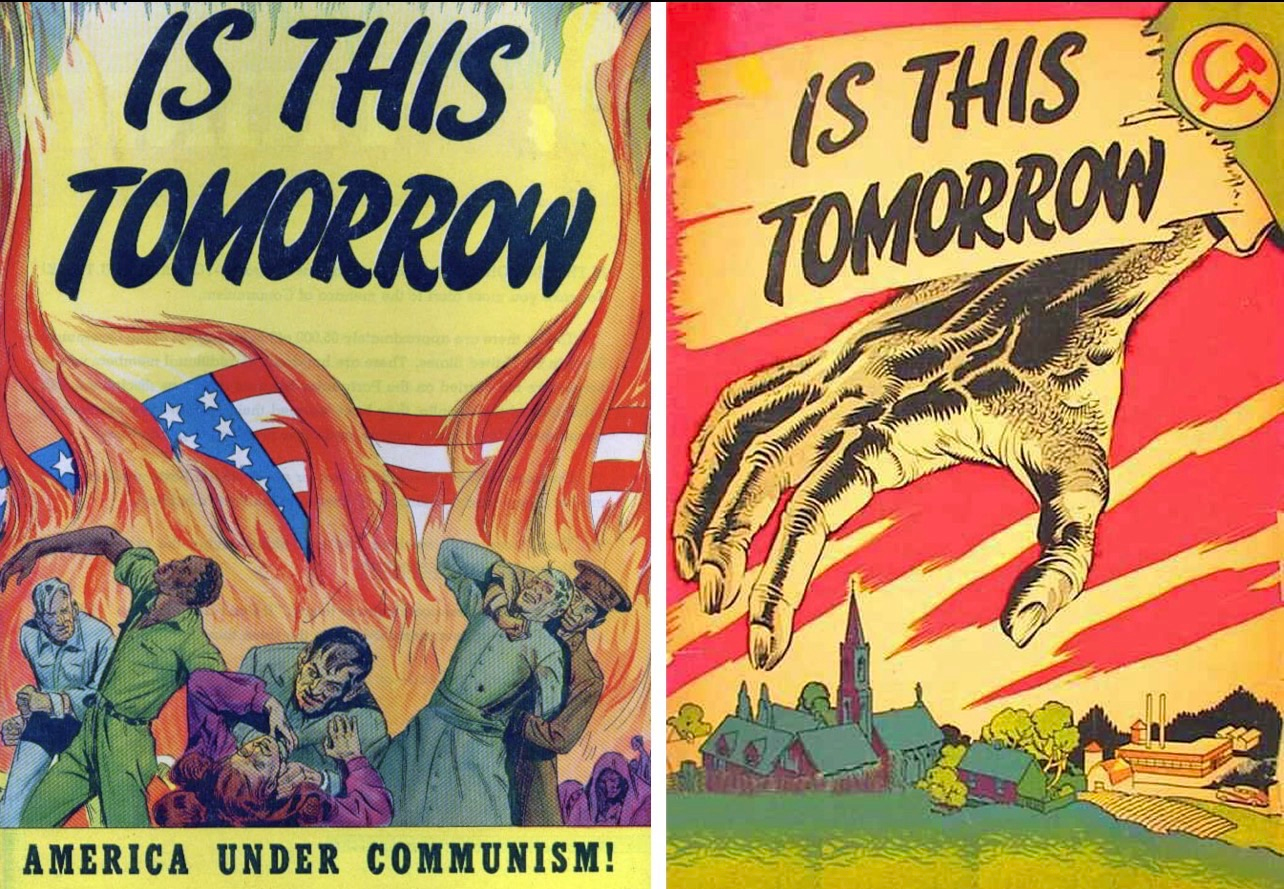
When most people think of war, they imagine soldiers on battlefields, tanks rolling across borders, and decisive victories won through force of arms. Yet one of the longest and most consequential conflicts in American history involved none of those elements. Known as the Cold War, this struggle reshaped global politics for nearly half a century—without a single declared battle between its primary adversaries.
A War Unlike Any Other
The Cold War began in the aftermath of World War II, when former allies became ideological rivals. The United States and the Soviet Union emerged from the war as superpowers, each possessing vast military strength and competing visions for the future of the world.
Unlike traditional wars, the Cold War had no front lines. There were no official declarations, no marching armies, and no final peace treaty. Instead, it was a prolonged period of silent hostility, defined by suspicion, competition, and the constant threat of annihilation.
The Nuclear Standoff
At the heart of the Cold War was nuclear weaponry. The development of atomic bombs introduced the concept of mutually assured destruction—a reality in which any direct conflict would likely destroy both sides and much of the planet.
As both nations built massive nuclear arsenals, a tense balance known as “parity” emerged. Each side believed it must match the other weapon for weapon to prevent being placed at a disadvantage. The logic was deeply unsettling: despite already possessing enough firepower to destroy Earth many times over, both superpowers continued to expand their arsenals.

Fighting Through Proxy Wars
Because direct conflict was unthinkable, the Cold War was fought indirectly. The United States and the Soviet Union backed opposing sides in regional conflicts around the globe, turning local struggles into international flashpoints.
The Soviet Union and China supported forces that contributed to America’s painful defeat in Vietnam War. In response, the United States armed the Afghan Mujahideen, ultimately helping drive Soviet forces out of Afghanistan. These proxy wars allowed both superpowers to test each other’s resolve without triggering nuclear catastrophe.
Moments That Nearly Turned Hot
The Cold War was not without moments of extreme danger. Events like the Cuban Missile Crisis brought the world to the brink of nuclear war. At the same time, competition extended beyond military power into technology and prestige, most famously through the Space Race.
Each confrontation tested nerves, leadership, and the willingness of both nations to hold their ground without crossing the line into open war.
The Collapse of the Soviet Union
By the late 1980s and early 1990s, the immense economic strain of maintaining the Cold War became unsustainable—especially for the Soviet Union. The cost of sustaining military parity, combined with internal economic weaknesses, led to the collapse of the Soviet system and the dissolution of the empire.
The Cold War ended not with a decisive battle, but with economic exhaustion and political collapse. The United States emerged victorious largely through endurance and an unwavering refusal to concede ground.

A Legacy of Resolve
The Cold War revealed a rarely discussed aspect of the American spirit: the ability to endure prolonged pressure without surrender. It was a war of patience, resolve, and restraint—one that demonstrated that power does not always come from firing weapons, but from the will to stand firm.
The hope remains that no future superpower will attempt to test the world in this way again.